Laser Pilonidal Sinus Treatment

LaserSpecialist surgeons onlyCashless insuranceFree follow-ups
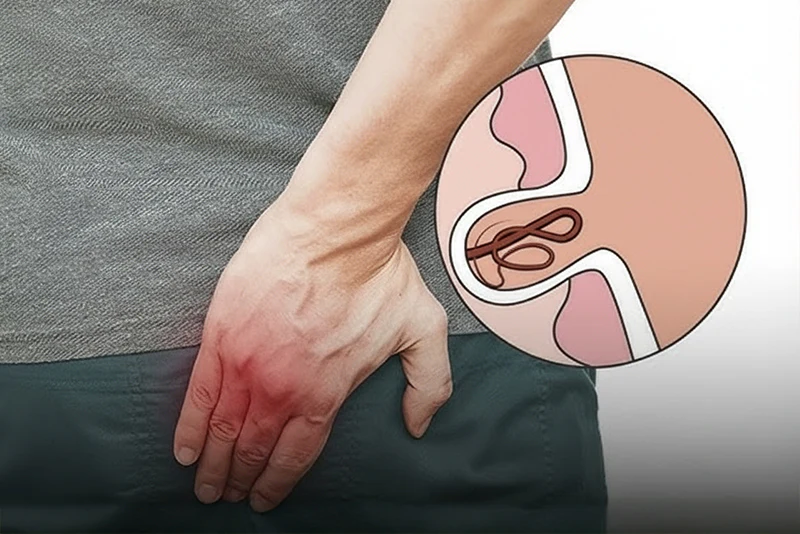
Illustration explaining a pilonidal sinus
Pilonidal Sinus Treatment - specialist-led treatment at Axten

A pilonidal sinus is a small tunnel under the skin at the top of the cleft between the buttocks, near the tailbone. It forms when loose hairs pierce the skin and get buried, triggering inflammation and infection around them. The condition is most common in young men with thick body hair, and prolonged sitting - long drives, desk jobs, studies - increases the risk.

The sinus may stay quiet for months, then flare into a painful, pus-filled abscess. Once established, it tends to keep discharging fluid or pus through one or more tiny openings (pits) in the midline skin. Like a fistula, a pilonidal sinus rarely heals permanently with antibiotics alone because the hair-filled tract remains under the skin.

Axten Hospitals treats pilonidal sinus with minimally invasive laser ablation (SiLaT/pilonidoplasty) - a daycare procedure that destroys the tract from inside without a large open wound. You get specialist surgeons only, an honest all-inclusive price, zero surprise billing, cashless insurance, 0% EMI and free follow-ups until healed.

Honest all-inclusive price₹40,000 - ₹70,000 (all-inclusive, varies by extent & city)See full cost breakdown

Consult for Pilonidal Sinus Treatment

Share your details - a care coordinator calls you back within minutes.

Country code +91 selected.

100% confidential · No spam · Honest all-inclusive quotes

Symptoms of Pilonidal Sinus

  • Pain and swelling at the top of the buttock cleft, worse on sitting
  • One or more small pits or openings in the midline skin near the tailbone
  • Discharge of pus or blood-stained fluid that stains clothing
  • A recurring painful abscess (boil) over the tailbone area
  • Foul smell from the discharging opening
  • Fever and tiredness during acute infection episodes

Risks of delaying treatment

  • Recurrent painful abscesses needing repeated emergency drainage
  • The sinus can branch into multiple tracts, making cure more difficult
  • Chronic discharge, odour and skin irritation that affect daily comfort and confidence
  • Rarely, decades of neglected chronic sinus disease can undergo cancerous change

How is pilonidal sinus diagnosed?

Pilonidal sinus is diagnosed by clinical examination - the surgeon identifies the characteristic midline pits near the tailbone, any secondary openings, and signs of active infection such as redness, tenderness or discharge. Tufts of hair can sometimes be seen emerging from the openings.

No scans are usually needed for a straightforward sinus. An ultrasound or MRI is reserved for recurrent or extensively branching disease, where mapping the tracts helps plan complete treatment. Axten specialists also assess lifestyle factors - sitting hours, hair density, hygiene habits - because addressing them lowers recurrence risk.

Benefits of laser treatment

  • Laser destroys the sinus tract from inside - no large excision wound
  • Daycare procedure with return to routine within days, not weeks
  • Far less pain and dressing burden than open excision surgery
  • No prolonged wound care; the tiny openings heal quickly
  • Minimal scarring compared with wide conventional excision
  • Can be repeated safely if a stubborn tract recurs

Types of pilonidal sinus treatment

Non-surgical options

  • Antibiotics and pain relievers - settle acute infection but do not remove the underlying tract.
  • Incision and drainage - emergency drainage of an acute abscess to relieve pain, followed later by definitive treatment.
  • Hair removal and hygiene measures - regular shaving, laser hair reduction and keeping the cleft clean to reduce recurrence.

Surgical & procedural options

  • Laser pilonidoplasty (SiLaT) - the tract is cleaned of hair and debris, then sealed from inside with laser energy.
  • Pit picking (minimal excision) - the tiny midline pits are excised and the cavity cleaned through small incisions.
  • Open excision - the entire sinus complex is removed and the wound heals from the base, reserved for extensive disease.
  • Flap procedures (Limberg/Karydakis) - the sinus is excised and covered with healthy tissue, flattening the cleft for recurrent disease.
Pilonidal sinus treatment process
How pilonidal sinus treatment is performed

How the procedure is performed

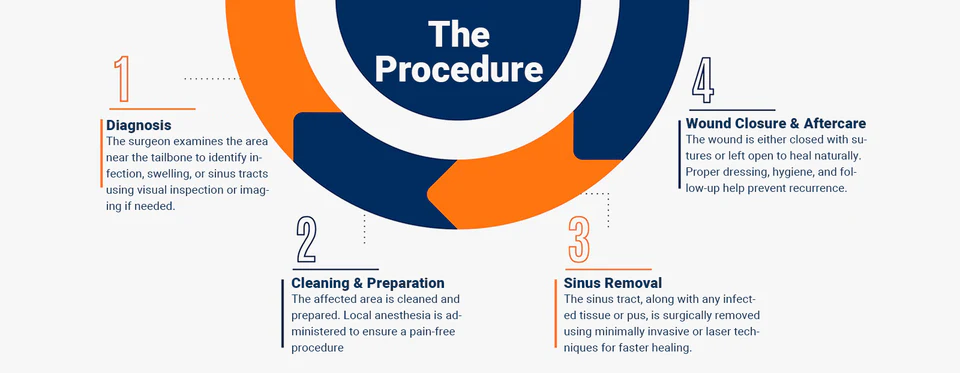
Laser pilonidal sinus treatment is performed under short spinal or general anaesthesia and takes about 20 to 40 minutes. The surgeon first cleans each tract thoroughly with a small brush, removing all buried hair and infected debris - a critical step for lasting cure.

A fine radial laser fibre is then passed along the tract, and controlled laser energy is delivered while withdrawing the fibre, shrinking and sealing the tunnel from inside. The tiny external openings are left to close naturally over the following weeks, so there is no large wound and no need for daily deep dressings.

Most patients walk out the same day, sit comfortably on a cushion within a day or two, and return to work within about a week. Axten's free follow-up visits continue until the surgeon confirms the sinus has healed completely, and you receive practical guidance on hair care to prevent recurrence.

Recovery & aftercare

  • Go home the same day; resume desk work in about 5 to 7 days
  • Keep the area clean and dry; shower and pat dry gently every day
  • Avoid sitting for long unbroken stretches in the first two weeks - take standing breaks
  • Keep the buttock cleft hair-free by regular trimming or laser hair reduction as advised
  • Complete all prescribed antibiotics and attend dressing checks as scheduled
  • Come for free Axten follow-ups until the openings have fully closed
Recovery and aftercare following pilonidal sinus treatment
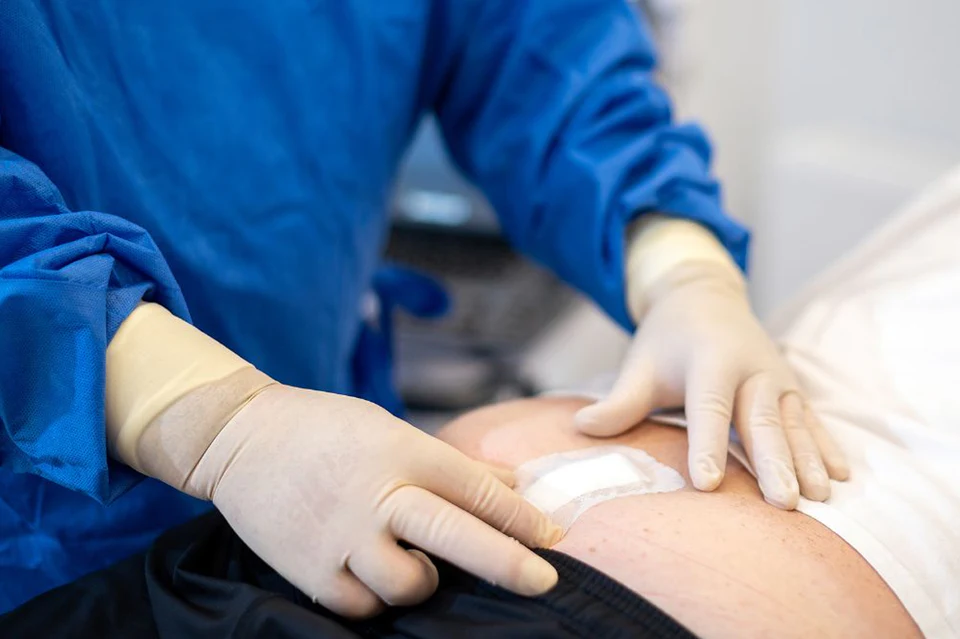
Recovery after pilonidal sinus treatment

Why Axten

Care that doesn't stop at the operating table

Every pilonidal sinus treatment package includes your surgeon's fee, OT and anaesthesia charges, hospital stay, standard medicines and post-procedure follow-ups - quoted once, in writing, before you decide.

  1. Talk with our experts

    Share your reports on a free call. A specialist reviews your case the same day.

  2. Honest fixed quote

    Receive one all-inclusive package price in writing - before you commit to anything.

  3. Insurance & paperwork

    Our insurance desk secures cashless approval and completes every formality.

  4. Your procedure

    A senior specialist operates at a partner hospital near you, on your scheduled date.

  5. Recovery & follow-ups

    Free follow-up consultations and recovery monitoring until you are fully healed.

The Axten standard

Why patients choose Axten for pilonidal sinus treatment

For pilonidal sinus treatment, Axten focuses on the parts patients usually find stressful: confirming the right specialist, explaining the procedure clearly, locking the package price in writing and keeping recovery follow-ups organised.

NABHstandard partner hospitals
100%written package quotes
24x7care helpline access

Senior surgeon review

Your case is reviewed for clinical fit before a date or package is suggested.
One written package

Surgeon, OT, anaesthesia, stay, standard medicines and follow-ups are itemised upfront.

Insurance handled early

Cashless eligibility, TPA paperwork and EMI options are checked before admission.

Coordinator-led recovery

A care coordinator keeps follow-ups, reports and recovery instructions organised.

FAQs about pilonidal sinus treatment

What causes a pilonidal sinus?

Loose or broken hairs collect in the deep cleft between the buttocks and gradually pierce the skin, where they act like splinters and trigger infection. Friction from prolonged sitting, thick body hair, sweating and being overweight all increase the risk. That is why the condition is most common in young men with desk jobs or long driving hours.

Can a pilonidal sinus heal with antibiotics alone?

Antibiotics can settle an acute flare, but they cannot remove the hair-filled tract sitting under the skin, so the infection almost always returns. Definitive cure requires a procedure that clears the tract - laser ablation being the least invasive modern option. Early treatment also prevents the sinus from branching into multiple tracts.

How is laser treatment better than open surgery for pilonidal sinus?

Open excision leaves a large wound near the tailbone that can take six to eight weeks of painful daily dressings to heal. Laser ablation seals the tract from inside through the existing tiny openings, so there is no big wound, minimal pain, hardly any dressings and a return to work within about a week - with comparable cure rates for suitable cases.

What is the cost of pilonidal sinus laser treatment in India?

At Axten Hospitals, laser pilonidal sinus treatment typically costs ₹40,000 to ₹70,000 depending on the number of tracts and your city. This is an honest all-inclusive package - surgeon, laser, anaesthesia, room, medicines and free follow-ups - with zero surprise billing. Cashless insurance and 0% EMI are available. Call 8156-92-92-92 for an exact quote.

Will the pilonidal sinus come back after laser treatment?

Recurrence after laser ablation is roughly 10 to 15 percent, similar to or better than many conventional techniques, and most recurrences relate to hair regrowing in the cleft. Keeping the area hair-free with regular trimming or laser hair reduction, maintaining hygiene and avoiding very long unbroken sitting substantially cut the risk. Recurrent tracts can be re-treated with laser.

How many days of rest do I need after the procedure?

Most patients are discharged the same day, walk immediately and sit comfortably with a soft cushion within a day or two. Desk work can usually be resumed in five to seven days, while gym workouts, cycling and long drives should wait two to three weeks. Your Axten surgeon personalises this plan at your free follow-up visits.

I have a painful abscess right now - what should I do?

An acute pilonidal abscess needs prompt drainage to relieve pain and prevent the infection from spreading - do not wait for it to burst on its own. At Axten, drainage is done quickly under local or short anaesthesia, and definitive laser treatment of the underlying sinus is planned a few weeks later once inflammation settles. Call 8156-92-92-92 for urgent appointments.

Is pilonidal sinus the same as an anal fistula?

No. A pilonidal sinus sits at the tailbone in the upper buttock cleft and is caused by buried hair, while an anal fistula is a tract connecting the anal canal to the nearby skin, caused by an infected anal gland. Their locations, causes and surgical details differ, though both are treated effectively with modern laser techniques at Axten.

Ready to discuss pilonidal sinus treatment?

Free specialist consultation and an honest all-inclusive quote - no obligation.