Tonsillectomy and Adenoidectomy are advanced ENT procedures performed to treat chronic throat infections, enlarged tonsils, nasal blockage, and sleep-related breathing disorders safely and effectively.
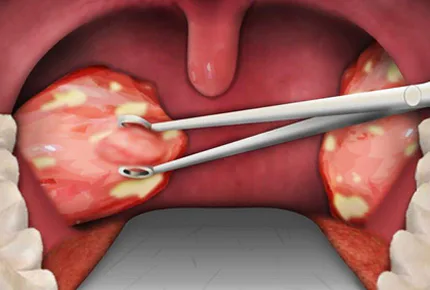
Tonsillectomy is a surgical procedure performed to remove the tonsils — two lymphoid tissues located at the back of the throat. These tissues help fight infection, but when they become repeatedly infected or enlarged, surgical removal may be necessary.
Adenoidectomy is the surgical removal of adenoids — lymphoid tissue located behind the nasal cavity. Enlarged adenoids can obstruct nasal breathing and lead to recurrent infections, snoring, and sleep apnea, especially in children.
In many cases, both procedures are performed together for complete relief.
Tympanoplasty can significantly improve hearing by restoring the function of the eardrum and, if necessary, repairing the ossicles in the middle ear.
A perforated eardrum can make the ear more vulnerable to infections, as bacteria can enter the middle ear easily. Tympanoplasty closes the perforation, reducing the frequency of infections.
Chronic ear infections can lead to persistent discharge from the ear. Tympanoplasty can resolve this issue by eliminating the source of infection.
Hearing loss and recurrent ear infections can affect daily life, work, and social interactions. Tympanoplasty helps patients regain their hearing and live without the constant worry of infections.
Although rare, infection can occur in the throat or surgical area after the procedure. It is usually treated effectively with antibiotics and proper care.
Some bleeding is expected after surgery, especially in the first few days, but significant bleeding is uncommon and can be managed by your surgical team.
Mild to moderate throat pain or ear pain may be experienced for several days following the procedure. Pain medication and soft diet help ease this.
Swelling of the throat or neck area may occur temporarily after surgery but typically subsides as healing progresses.
At Axten Hospitals, we take every precaution to minimise these risks by employing the latest surgical techniques and providing personalised care for each patient.
The tonsils are removed using surgical instruments such as a scalpel or scissors. This is a commonly performed and effective method.
A minimally invasive technique that uses controlled radiofrequency energy to remove tonsils with reduced heat damage, leading to less pain and faster recovery.
Uses electric current to remove tonsils and control bleeding simultaneously during the procedure.
Removal of enlarged adenoids through the mouth using specialized instruments. Often performed along with tonsillectomy for complete relief.
Mild to moderate throat discomfort is common for a few days. Prescribed medications help manage pain effectively.
Patients are advised to consume soft, cool foods and avoid spicy or hard items during the initial recovery phase.
Adequate fluid intake is essential to prevent dehydration and promote faster healing.
Strenuous activities should be avoided for 10–14 days to reduce the risk of bleeding.
Regular follow-up visits ensure proper healing and allow the doctor to monitor recovery progress.
After Tonsillectomy or Adenoidectomy, patients should continue maintaining good throat and overall respiratory health to prevent future infections. This includes following proper oral hygiene practices and avoiding exposure to individuals with active throat or respiratory infections, especially during the recovery phase.
Patients should stay well-hydrated and maintain a balanced diet to support immunity and tissue healing. Managing allergies and avoiding environmental irritants such as smoke and excessive pollution can also help reduce throat irritation and nasal blockage.
Regular follow-up visits with an ENT specialist are recommended to monitor healing, ensure normal breathing and swallowing function, and address any concerns promptly. Proper long-term care helps maintain the benefits of surgery and supports overall ENT health.
We provide standardised healthcare facilities across hospitals, ensuring patients receive consistent, high-quality care by implementing uniform clinical protocols and integrating advanced technology.
At Axten Hospitals, care doesn’t stop after the procedure. We provide comprehensive post-treatment support, including follow-up consultations, and personalised recovery plans to ensure a smooth and complete recovery.
We believe that healthcare should be unbiased for everyone. Axten Hospitals streamlines operations by partnering directly with hospitals and insurance providers, cutting out unnecessary middlemen.
We provide standardised healthcare facilities across hospitals, ensuring patients receive consistent, high-quality care by implementing uniform clinical protocols and integrating advanced technology.
Axten Hospitals provides a seamless patient experience with dedicated coordinators who assist throughout the care process. From streamlining pick-up paperwork and insurance to coordinating hospital admissions and transportation, we ensure that each patient’s journey is as stress-free & safe as possible.
At TAH, international patients access world-class treatment in India with complete transparency in pricing. Unlike inflated international rates, we provide the same fair pricing as Indian nationals. From hospital coordination to travel assistance, we ensure high-quality care, affordability, and a stress-free medical journey for every patient.
Standardised Healthcare Now At Your Fingertips
Book Your Ticket To A Healthier Future Now!
Standardised Healthcare Now At Your Fingertips
Book Your Ticket To A Healthier Future Now!